Well, if you made one, it would be much better than the original. We had one refrigerator-sized Symbolics machine at the aerospace company, during the false AI boom of the 1980s. I used it a few times, but it had one LISP fan who used it a lot for a specific project. It broke down a lot, and Symbolics service was very poor. The early versions had a really slow garbage collector. Minutes. With everything in one address space, you had to wait out the GC; you couldn't kill your program and start over. Many of those special-purpose buttons on the Space Cadet-derived keyboard didn't actually do anything. Unless, of course, someone rebound them in EMACS.
I did LISP work then, but mostly using Franz LISP on VAXen and Sun Workstations.
I was never really into the LISP cult, though I wrote a lot of LISP. Franz LISP could compile to .o files, but you couldn't just link them and make an executable. You had to load them back into the LISP environment. I asked the Franz people why they didn't package up the run time so that you could just link the thing and make an executable without debug break and interpreter capability. They were puzzled at the question. Delivering a finished product was totally alien to them.
Eventually, hard-compiled LISP on microprocessors became faster than custom LISP hardware, and LISP machines went away. And, eventually, other languages got enough dynamism that LISP was no longer needed.
It's one of those things which was better in retrospect.
I worked for about four years on Symbolics machines in the AI summer of the mid 80's. We were, perhaps, lucky in that I don't remember them breaking down at all, and our service guy was competent and entertaining.
I remember when the generational GC was released. Before that, we just used to reboot at the end of the day... but the generational GC just worked, and we didn't have to worry about memory (so much). Our rep installed the GC thermometer (that showed in the overscan area so you didn't lose any screen real estate), and that really showed the difference.
And, by the way, it was Zmacs, not Emacs on the Symbolics.
Refrigerator size suggests to me one of the very early models, which in fact could have been much more problematic than any of the latter. I seem to recall being warned in case of "free to good home" 3600 about how delicate it was.
Yes, the Symbolics 3600. In the later models, Symbolics apparently got their hardware act together, but I never used any of those. There was a period in early workstations where we had one or two of everything, and finally settled on Sun workstations. The early 1980s were a time of great hardware creativity, and many dead ends.
I had a 3630 which was a somewhat wide deskside tower, no louder than a deskside Sun 3. I never had any service problems other than a somewhat dubious tape drive.
3630 was second generation design, a so-called "G-machine" (vs. "L-machine" of previous models), and I believe it already shipped with Ephemeral GC from start.
I was advised that if possible, grab the boards necessary to upgrade 3600 to 3670 to have much easier life ;)


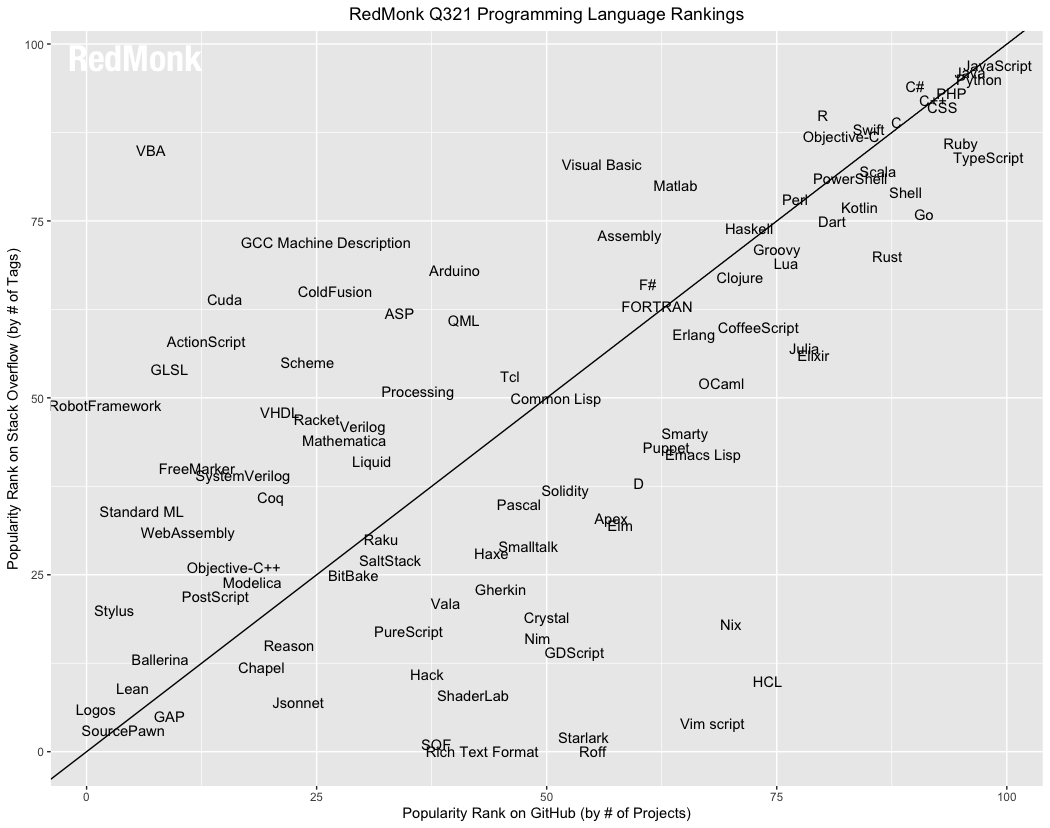
I did LISP work then, but mostly using Franz LISP on VAXen and Sun Workstations. I was never really into the LISP cult, though I wrote a lot of LISP. Franz LISP could compile to .o files, but you couldn't just link them and make an executable. You had to load them back into the LISP environment. I asked the Franz people why they didn't package up the run time so that you could just link the thing and make an executable without debug break and interpreter capability. They were puzzled at the question. Delivering a finished product was totally alien to them.
Eventually, hard-compiled LISP on microprocessors became faster than custom LISP hardware, and LISP machines went away. And, eventually, other languages got enough dynamism that LISP was no longer needed.
It's one of those things which was better in retrospect.